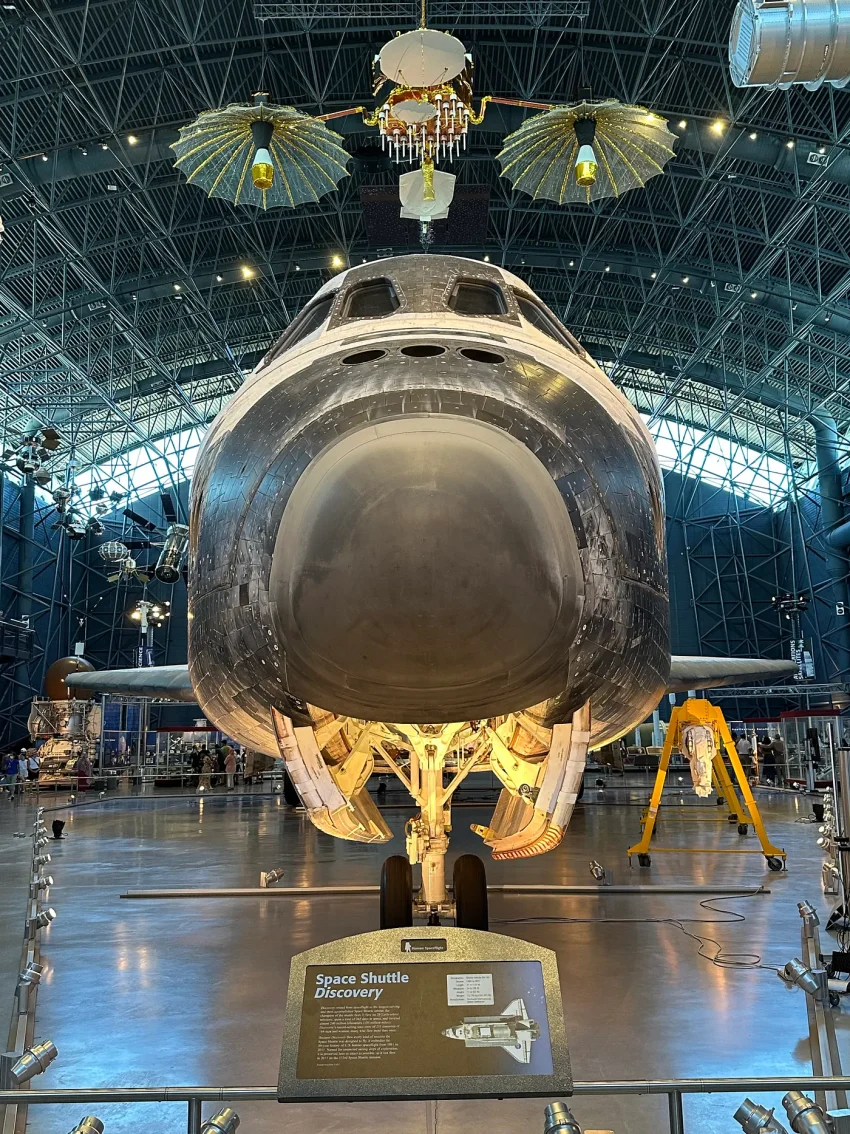
It wasn’t originally on my itinerary. I had planned my trip to Washington D.C. last year with the usual patriotic hits — Smithsonian museums, the National Mall, cherry blossoms if I could catch them. But somewhere between planning my Metro routes and booking a monument night tour, a friend texted: “Don’t skip the Udvar-Hazy Center. Trust me.” I did trust them. And I’m glad I did.
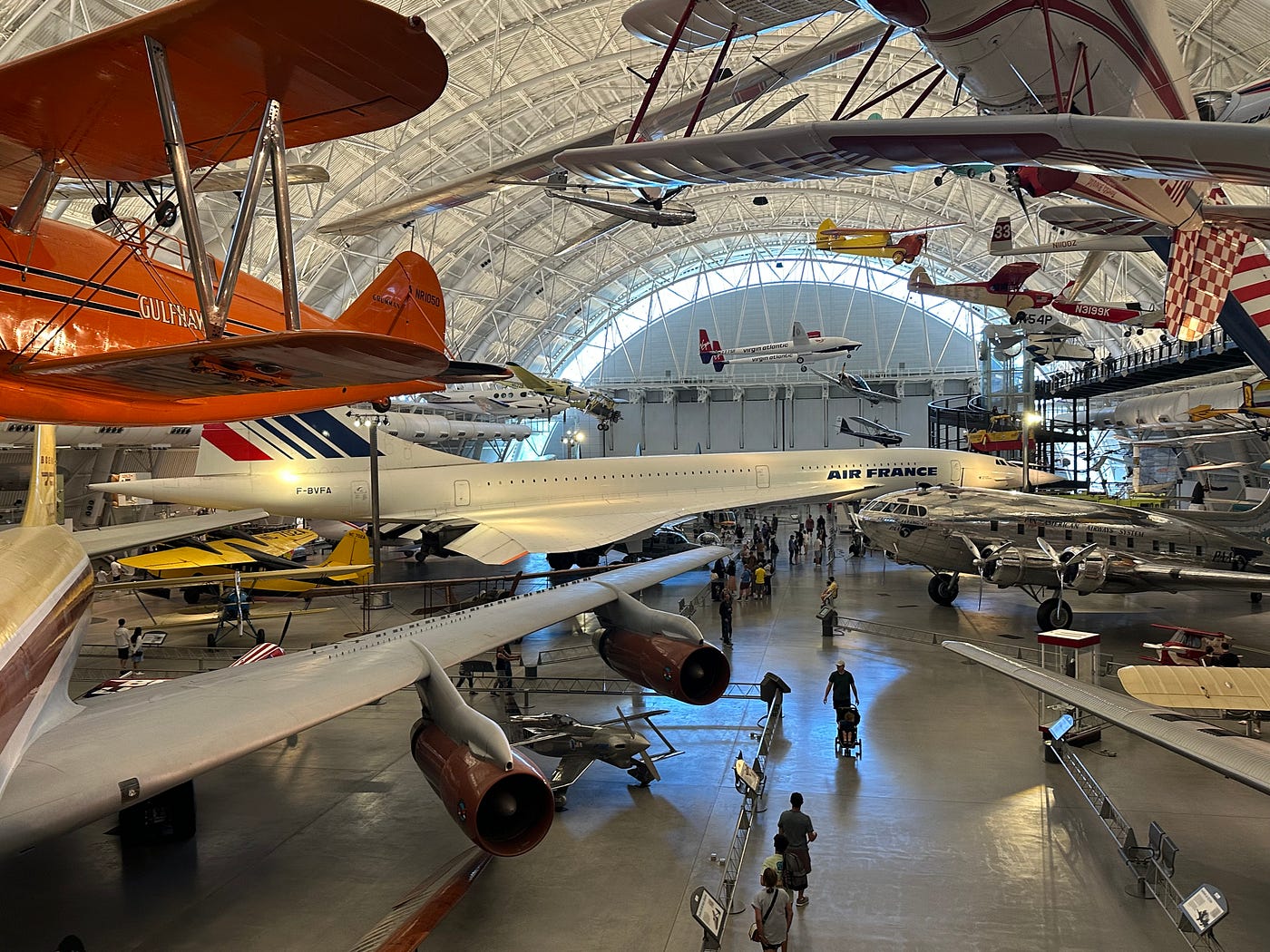
Located in Chantilly, Virginia, a short drive from the capital, the Steven F. Udvar-Hazy Center is part of the Smithsonian’s National Air and Space Museum — but it feels like the grand hangar where aviation legends go to rest. And I mean that in the most awe-inspiring way possible. You don’t walk through the Udvar-Hazy Center so much as you drift — eyes wide, neck craned — through a forest of wings, rockets, and rotors.
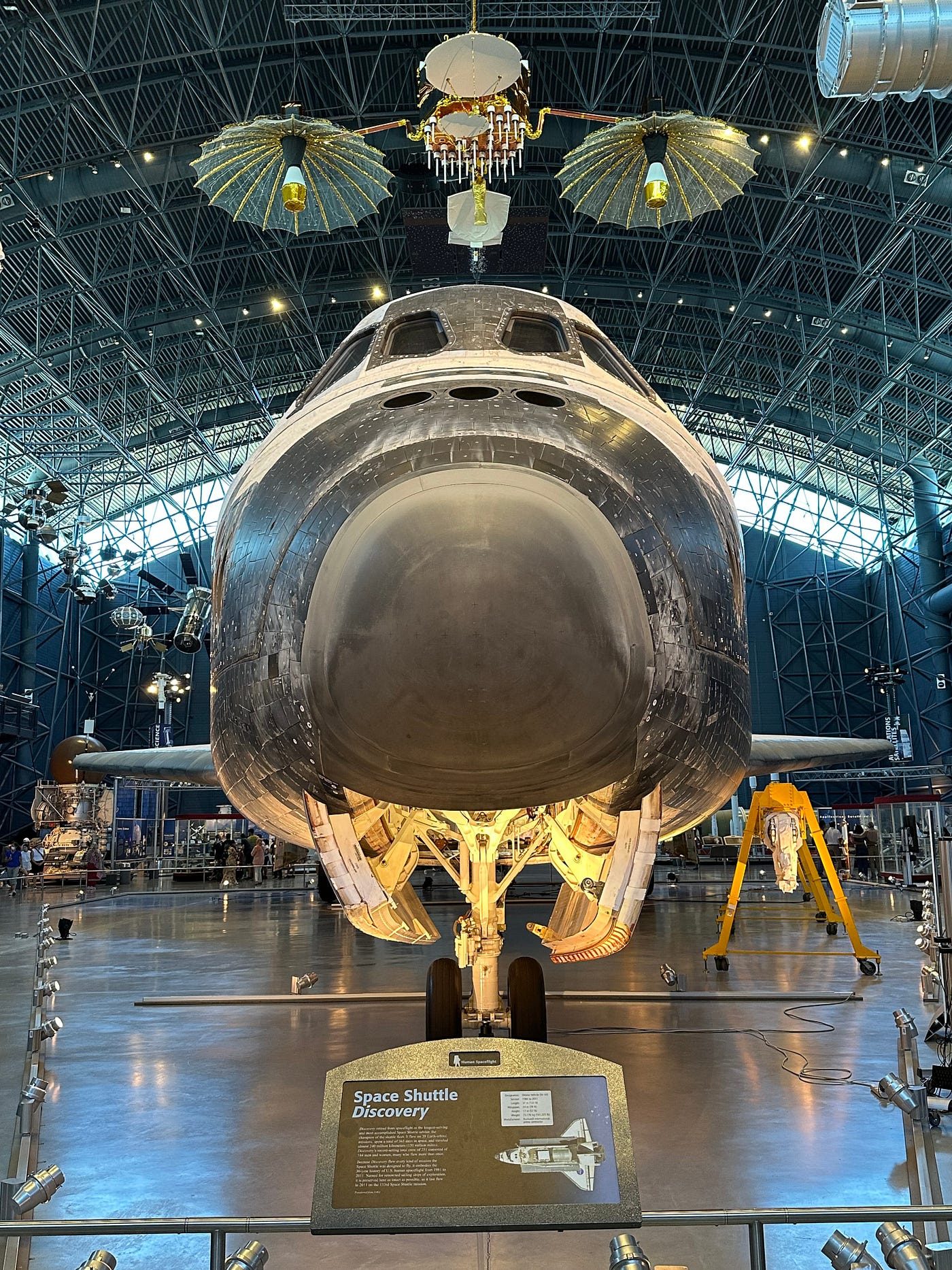
The museum’s two massive hangars house some of the most iconic aircraft and spacecraft ever to fly. The SR-71 Blackbird, sleek as a shark. The Space Shuttle Discovery, proudly retired and monumental. And the Enola Gay, heavy with history. Each one is presented with care, surrounded by smaller but no less fascinating machines — bi-planes, gliders, satellites, and even experimental test vehicles.
But what caught me off guard — literally above it all — was the Donald D. Engen Observation Tower, once a fully operational air traffic control tower. Perched like a lighthouse over Washington Dulles International Airport, the tower was converted into an aviation-lover’s dream: the ultimate plane spotting attraction. From there, visitors are given a 360-degree view of the bustling airport grounds, with incoming and outgoing flights on full, majestic display.
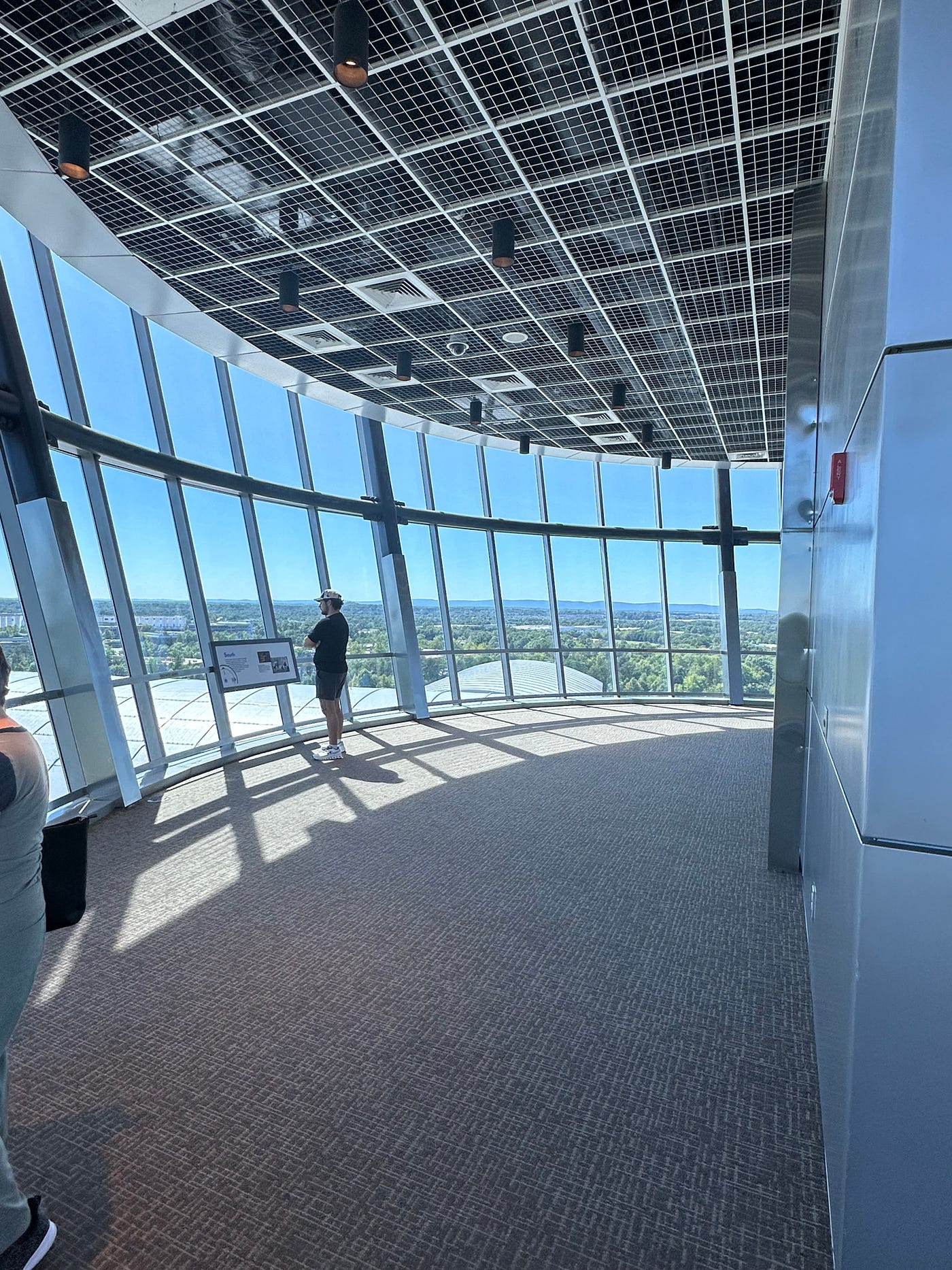
There’s something oddly meditative about standing in that glass-paneled room, listening to live air traffic communications, and watching jets rise and fall into the horizon like clockwork. It’s an immersive mix of stillness and motion — humans orchestrating the ballet of metal birds. That tower once guided thousands of flights with precision, and now, it’s where people like me come to simply look up and marvel.
So why was this stop so memorable?
Well, I’ve always been fascinated by how things work behind the scenes. Standing where controllers once stood, I imagined the pressure and exhilaration of safely guiding hundreds of lives across the skies. Now, standing there without a headset or responsibility, it felt like I could just breathe — and take in not just the views, but the incredible legacy of flight.
The Udvar-Hazy Center isn’t just a museum; it’s a cathedral for aviation. And that tower? It’s the steeple — lifting you just high enough to remind you how far we’ve come from wooden wings and propeller dreams.
If you’re ever in the D.C. area and your heart beats a little faster at the sound of jet engines or the sight of a contrail slicing across blue sky — make the detour. It’s more than worth it.